What Causes Concrete to Heave and Crack in East Tennessee?
Call (423) 427-0802 or click Get a Free Estimate if your concrete is cracking or heaving.
Have you noticed your driveway lifting or your patio cracking? Homeowners in Johnson City, TN ask this often, and the answer usually comes down to water, temperature, and soil. At Andrewson Services LLC, we see freeze-thaw damage regularly and know how to prevent it. If your concrete is already showing problems, call (423) 427-0802 or click Get a Free Estimate for an honest assessment.
Understanding Freeze-Thaw Cycles
Concrete is porous, which means it absorbs small amounts of water. When temperatures drop below freezing, that water turns to ice and expands. Over repeated cycles of freezing and thawing, the expansion creates internal pressure that can crack and flake the surface. Northeast Tennessee sees many of these cycles each winter, which is why proper design matters.
What Is Concrete Heaving?
Heaving happens when the ground beneath a slab swells and pushes the concrete upward. Wet soil freezes, expands, and lifts whatever sits on top of it. When the soil thaws, it may not settle back evenly, which leaves slabs uneven or cracked. Clay soils, poor drainage, and weak bases make the problem worse.
Common Causes of Concrete Problems
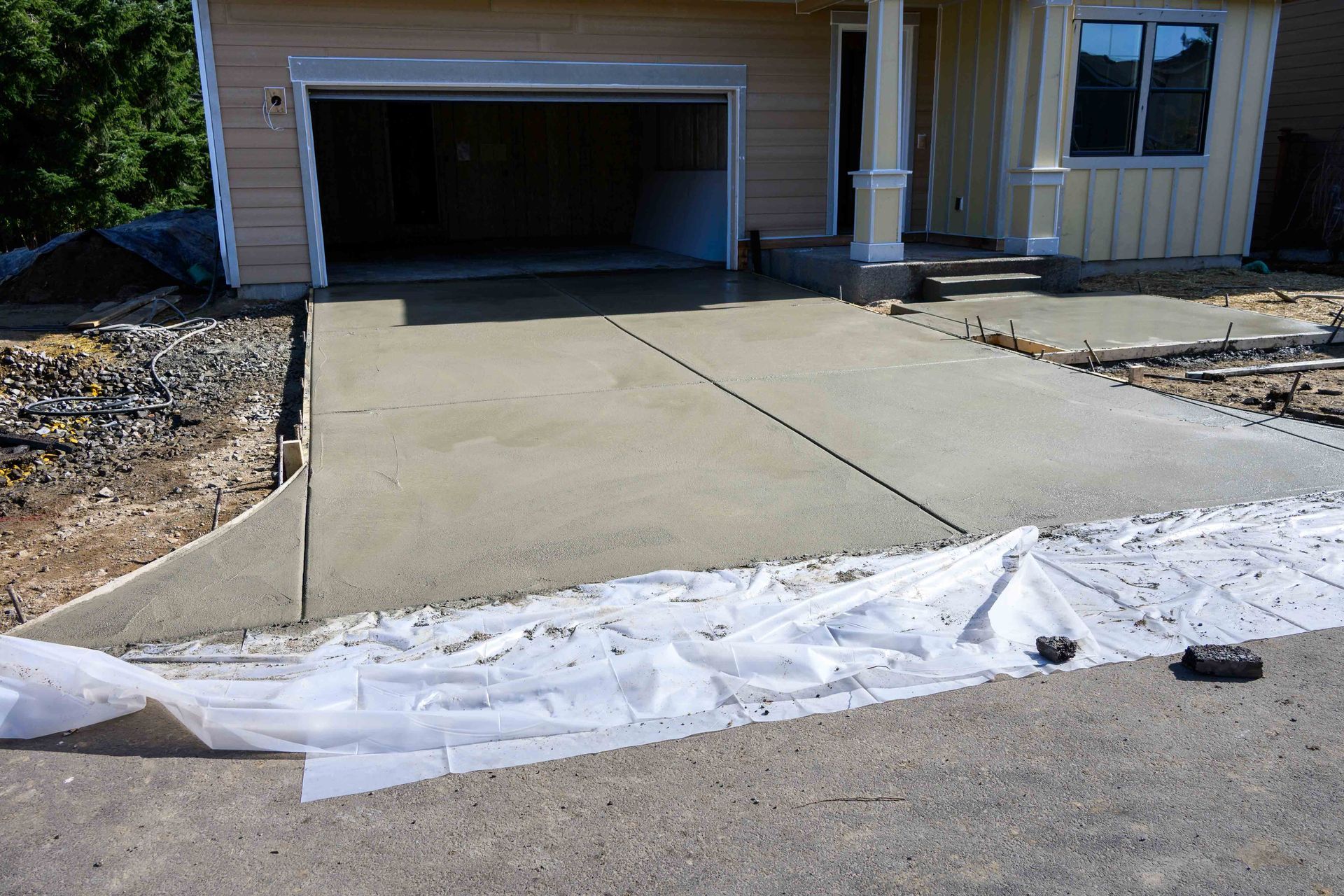
- Poor base preparation. A slab poured over loose soil will move. A compacted gravel base helps it sit evenly and drain.
- Drainage issues. Water that pools near a slab soaks into the ground and feeds frost-related movement.
- Missing reinforcement. Without rebar or wire mesh, cracks can spread and widen more easily.
- No control joints. Concrete shrinks as it cures, and joints give it planned places to crack cleanly.
How to Prevent Heaving and Cracking
The best time to prevent concrete damage is before the pour. A good contractor will excavate properly, compact a stable base, set accurate forms, install reinforcement, and cut control joints. After the concrete has cured, sealing the surface can reduce water absorption and help protect it through winter. Keeping gutters and downspouts pointed away from slabs also helps.
Warning Signs to Watch For
- Cracks that keep growing
- Slabs that sit higher on one side
- Gaps between the concrete and your home
- Flaking or peeling on the surface
- Standing water after rain
Can Damaged Concrete Be Repaired?
Sometimes. Minor surface cracks can often be repaired, while slabs that have shifted or settled significantly may need to be removed and replaced. An experienced contractor can look at the cause, not just the symptom, and tell you which option makes sense.
Why Sealing and Maintenance Help
Sealing concrete every few years, filling small cracks early, and keeping water moving away from slabs can add years to their lives. These simple steps cost little compared to replacement, and they are easy to schedule before winter arrives.
Talk to a Concrete Contractor You Can Trust
Andrewson Services LLC understands the science behind concrete, including reinforcement, freeze-thaw movement, and heaving. Call (423) 427-0802 or click Get a Free Estimate, and we will take a look at your project.
Recent Posts
Get Honest Answers and a Free Estimate
Andrewson Services LLC is happy to explain your options and recommend the right approach for your project. Call (423) 427-0802 or click Get a Free Estimate to get started.





